
Uncategorized
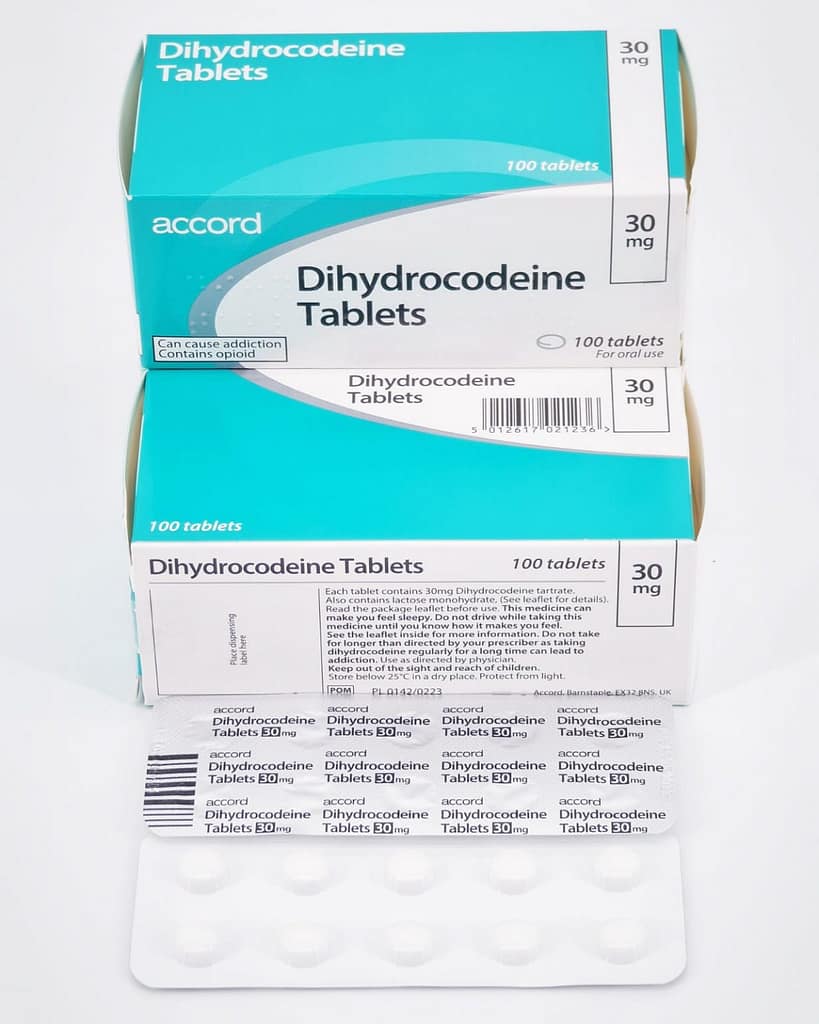
Dihydrocodeine 30mg
Jan
Dihydrocodeine 30mg Tablets Explained: Uses, Dosage, and Safety Information
Dihydrocodeine 30mg Tablets is a prescription pain relief medication commonly used in the UK to manage moderate pain when standard painkillers are not effective. As an opioid analgesic, it is prescribed under medical supervision and used responsibly to ensure safety and effectiveness.
This article provides clear, educational information about Dihydrocodeine 30mg, including how it works, when it is prescribed, and important safety considerations.
What Is Dihydrocodeine 30mg?
Dihydrocodeine is an opioid-based pain relief medication that works by affecting pain signals in the brain and nervous system. Dihydrocodeine 30mg tablets are typically prescribed for short-term pain relief and are used when non-opioid medications do not provide adequate relief.
In the UK, Dihydrocodeine is regulated and prescribed according to medical guidelines to ensure patient safety.
👉 Related product: Dihydrocodeine 30mg tablets
When Is Dihydrocodeine Prescribed?
Dihydrocodeine 30mg Tablets may be prescribed for:
-
Moderate pain following surgery
-
Injury-related pain
-
Pain that does not respond to paracetamol or ibuprofen
-
Short-term pain management under supervision
It is generally used for limited periods unless otherwise advised by a healthcare professional.
How Dihydrocodeine 30mg Works
Dihydrocodeine belongs to a group of medicines known as opioid analgesics. It works by binding to opioid receptors in the brain and spinal cord, helping to reduce the perception of pain and increase comfort.
This mechanism makes it effective for pain relief, but also requires careful and responsible use.
Dosage Guidance for Dihydrocodeine 30mg
The appropriate dosage of Dihydrocodeine 30mg depends on individual medical needs, pain severity, and response to treatment.
Important guidance:
-
Always follow professional medical instructions
-
Do not exceed the prescribed dose
-
Intended for short-term use unless advised otherwise
Improper use may increase the risk of side effects or dependence.
👉 Learn more on the product page: Dihydrocodeine 30mg dosage information
Safety Considerations and Responsible Use
Dihydrocodeine 30mg should be used with caution.
Key safety points include:
-
May cause drowsiness or dizziness
-
Should not be combined with alcohol
-
Can be habit-forming if misused
-
Not suitable for everyone
Medical advice should always be sought before starting or continuing use.
👉 Helpful pages:
-
Quality Assurance
-
Terms of Service
Possible Side Effects of Dihydrocodeine
Some individuals may experience side effects while taking Dihydrocodeine 30mg.
Common side effects may include:
-
Nausea
-
Constipation
-
Drowsiness
-
Light-headedness
If side effects persist or worsen, medical advice should be obtained.
Who Should Avoid Dihydrocodeine 30mg?
Dihydrocodeine may not be suitable for individuals who:
-
Have breathing problems
-
Have a history of opioid dependence
-
Are allergic to opioid medications
A healthcare professional can determine whether this medication is appropriate.
Why Accurate Medication Information Matters
Access to clear, reliable medication information helps individuals make informed decisions and use prescription medicines responsibly. At PillsPulse, we focus on providing educational content that aligns with UK medical information standards.
👉 Learn more:
-
About Us
-
Delivery Information
Frequently Asked Questions
Is Dihydrocodeine 30mg a strong painkiller?
Dihydrocodeine is considered a moderate-strength opioid used when standard painkillers are ineffective.
Can Dihydrocodeine cause drowsiness?
Yes. Drowsiness is a possible side effect, and caution is advised when driving.
Is Dihydrocodeine addictive?
Misuse or long-term use may lead to dependence. Always follow medical advice.
